
Two riders ask me this and they want different answers. One has just ridden the longest ride of their life and wants to know how to feel normal again by tonight. The other has three more riding days after this one and wants to know how to be on the bike at eight tomorrow morning without hating it. Almost everything written about recovery answers the first question, because it assumes tomorrow is a rest day.
I run cycling trips and I ride every mile of them with the group, so I've watched a lot of people get off a bike at the end of a hard day and then try to do it again the next morning. The riders who feel good on day three aren't the fittest ones in the group. They're the ones who did the same boring things in the hour after they stopped, and did them every day.
So what are they? Here they are in the order to do them, and then how to tell the next morning whether it worked.
The short answer
Eat something with carbohydrate and protein in it and start drinking, with salt in it, the moment you stop. Get out of your kit and shower within fifteen minutes. Put your feet up for ten to fifteen minutes, then stretch your legs, holding each stretch for at least thirty seconds, and if you have a massage gun, use it on whatever hurts most. Eat a real dinner. Sleep eight hours.
That's the whole list. It works whether tomorrow is a rest day or another 80 miles, and everything before dinner fits inside the first hour.
Eat inside the first hour, hungry or not
Your legs hold somewhere around 1,500 to 2,000 calories of glycogen when they're full. A five hour ride burns well past that, which is why you finish empty. Refilling it starts the moment you stop.
Aim for 60 to 90 grams of carbohydrate and 20 to 30 grams of protein within the hour. What does that look like in real food? It's a couple of bananas and a pint of chocolate milk, or a turkey sandwich and a Coke, or a bowl of rice with whatever protein is nearby. It doesn't have to be a recovery drink and it doesn't have to be measured. It has to actually get eaten.
A lot of riders aren't hungry after a hard effort. Hard riding suppresses appetite for an hour or two, so the signal you'd normally trust is the one signal that's wrong right now. Eat anyway. If solid food won't go down, drink the calories.
Does the hour matter? On a rest day, not much - you've got two days to sort it out and you will. When you're riding again in sixteen hours, it matters a lot, because that's all the time you have. There's more detail on what to actually eat across a multi-day trip in what to eat on a bike tour.
Drink more than you're thirsty for
Thirst comes back before you're rehydrated, so it stops being a useful guide the moment the ride ends. Drink 16 to 24 ounces in the first hour, which is one big bottle, then keep a glass in front of you all evening.
Plain water on its own isn't enough after a long, sweaty day. You lost sodium, and drinking only water dilutes what's left, which is why you can drink two quarts and still feel tired. Put salt back: an electrolyte tab in one bottle, or salty food with dinner. Both work and the food is cheaper.
How do you know whether you've drunk enough? Weigh yourself before and after a long ride. Every pound you're down is about 16 ounces of fluid you need to drink back. Most riders are down two to four pounds after a hot century and never put it back.
Caffeine has a half life of about five hours, so a Coke at four in the afternoon is still working on you at nine. If you want eight hours of sleep, that's the drink to swap.
Get out of your kit within fifteen minutes
This is the dullest item on the list and it's the one that decides whether tomorrow hurts.
Sitting around in a wet chamois is how a small hot spot becomes a saddle sore, and a saddle sore is one of the few things that can genuinely end a rider's trip. Fitness rarely does that. Get the shorts off, wash with plain soap and water, and dry properly before you put anything else on. Chamois cream goes on in the morning, before you ride, not at night.
Make sure your kit for tomorrow is clean and dry.
Put your feet up, stretch, and work on what hurts
Once you're showered, get horizontal and put your legs up the wall for ten to fifteen minutes. It costs nothing.
After a hard day, stretch your legs too: hamstrings, quads, calves and hips. A static stretch only does its job if you hold it, so hold each one for at least thirty seconds.
If you brought a massage gun, spend about ten minutes on the muscles that hurt the most. It's optional, and it's worth having on a trip with back-to-back days.
Two more things people ask about. Compression socks are harmless and some riders swear by them, so wear them if you like them. Ice baths I'd skip on a riding trip: cold water immersion after hard training reduces some of the fitness gain from the riding you just did, and on a multi-day trip you want your legs to get on with the repair.
Dinner, and the beer question
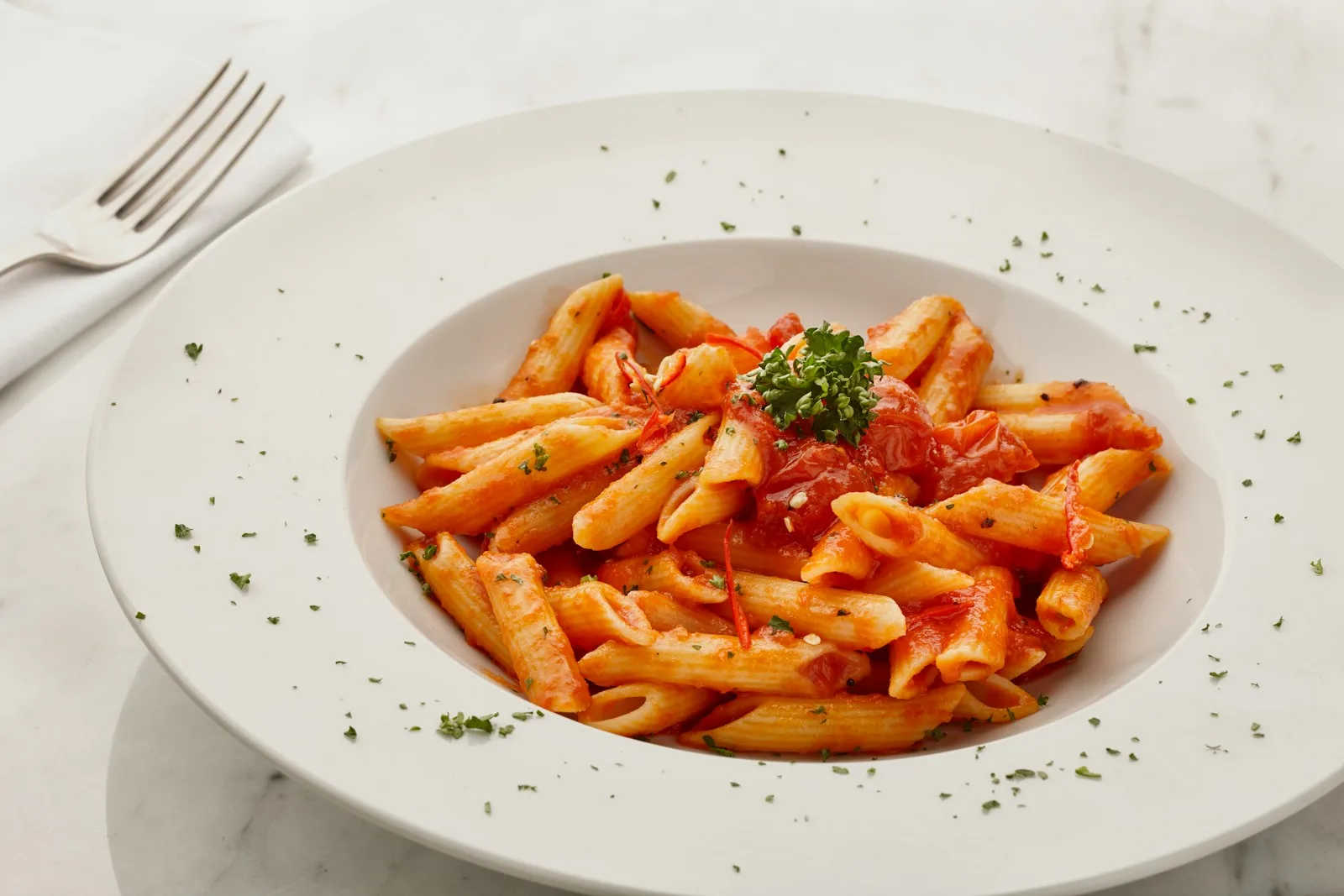
Eat a proper dinner with real carbohydrate in it. Pasta, rice, potatoes, bread, whatever the place is good at. This is where most of the refuelling actually happens, and the snack you had at the finish was only the start of it.
So is a beer a problem? No, and I'm not going to tell you to skip it, because that beer is part of why people ride. One is fine. Three will make tomorrow's ride harder. Alcohol disrupts the second half of your night's sleep, and sleep is doing more for your legs than anything else on this page.
How much sleep you need after a hard day
Eight hours. That's the number, and on a riding trip it's the one thing that gets cut short.
Why does it get cut short? Because the evening runs long. Dinner is at eight, people are still talking at eleven, and breakfast is at seven. Do that twice and the third day is harder than the riding alone would have made it. Sleep is when the repair happens.
The fix is boring. Eat earlier, get to bed earlier, and accept that a riding trip isn't the same as a night out.
What changes when you're riding again tomorrow
Everything above still applies. So what's actually different? The time you have before the next ride.
After a normal weekend century you have roughly 48 hours before you do anything hard again. On a multi-day trip you have about 16 hours, and eight of those should be spent asleep. So the first hour after the ride stops being optional and becomes the whole plan.
Three things follow from that.
Do it in this order. Eat and drink the moment you stop. Then get your kit off and shower. Then feet up, stretch, and the massage gun if you have one. Then dinner. Don't shower first and eat an hour later because you weren't hungry.
Ride day one slower than you want to. This is the mistake I see most. Day one feels great, everyone rides it too hard, and the trip gets shorter for a lot of people on day three. Riding day one at a pace you could hold a conversation at is what makes days three and four easier.
Don't add anything else on day one. No long walk into town, no big night out. Save it for the last evening.
If you've never ridden hard on back-to-back days, a supported trip is a straightforward way to find out how your body handles it, because the food, the route and the bed are already sorted. Whatever we're running is on the trips page.
How to tell in the morning whether you're recovered
You'll know inside the first forty minutes of the next ride. Can you tell before you start? Yes, and there are three ways.
Your resting heart rate. If it's up more than about seven beats over your normal morning number, you haven't recovered. This is the most useful number a watch gives you and almost nobody looks at it.
Your appetite at breakfast. No appetite the morning after a hard day is the clearest sign on this list. A recovered rider is hungry. Someone who rode too hard isn't, and then they under-eat at breakfast and the day gets worse from there.
Your legs at minute forty. Heavy legs in the first twenty minutes mean nothing at all - everybody has those. Legs that are still heavy at forty minutes, after you're warm, mean you haven't recovered.
If two of those three say you haven't recovered, ride the day anyway, but ride it differently. Sit in with the group rather than the front of it, eat more than you think you need, and take the shorter option if there is one. A day ridden sensibly is much better than a day skipped.
What riders get wrong most
- Not eating in the first hour because they weren't hungry, then eating an enormous dinner at eight. Same calories, four hours too late.
- Drinking two quarts of plain water and no salt, then wondering why they still feel flat.
- Sitting in a wet chamois through a long lunch, and paying for it on day three.
- Trying to fix day three on day three. Where does day three get fixed? On day one, by riding day one slower.
- Treating sleep as the flexible item. It's the one thing on the list nothing else can replace.
The whole thing in six lines
- Eat 60 to 90 grams of carbohydrate and 20 to 30 grams of protein within an hour of stopping, hungry or not.
- Drink 16 to 24 ounces in the first hour and keep drinking all evening, with salt in it.
- Get out of your kit and shower within fifteen minutes, and make sure tomorrow's kit is clean and dry.
- Ten to fifteen minutes with your legs up, then stretch your legs, holding each stretch at least thirty seconds, and ten minutes with a massage gun on what hurts most if you have one.
- A real dinner with carbohydrate in it, one drink at most.
- Eight hours of sleep, which means an earlier dinner than the group wants.
The riders who are still strong on the last day of a trip aren't doing anything you can't do. They're doing the same boring things in the first hour after every ride, while everyone else is standing in the parking lot in a wet jersey talking about the ride. For what the riding day itself takes, how hard it is to bike 100 miles covers it.