
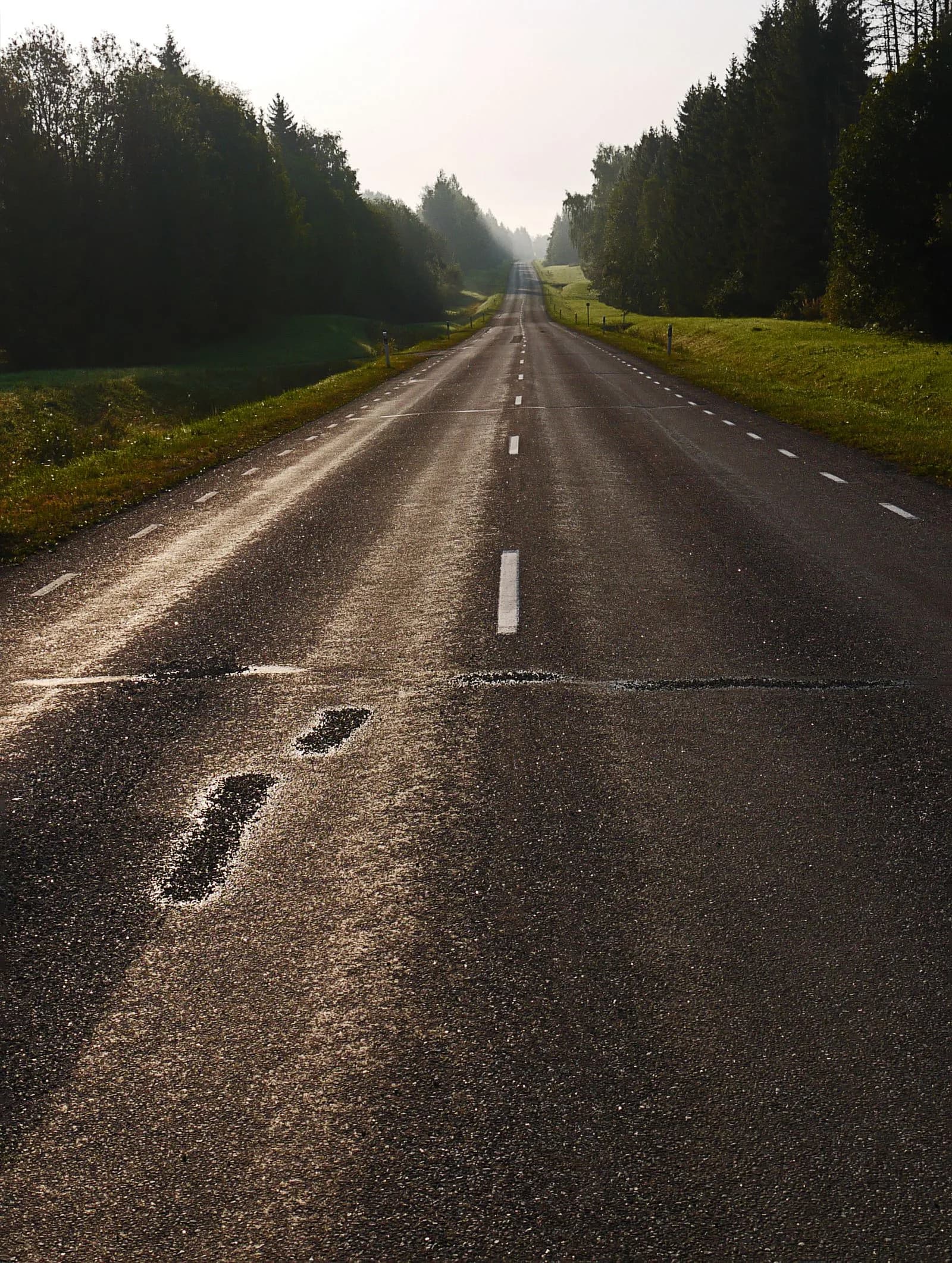
People ask this two ways. Some are asking whether they're capable of it at all. Others have ridden a 70 and want to know what the last 30 miles are going to do to them. Both are fair questions, and the answer is the same: a century is hard, but it's much less about fitness than most riders think.
I run cycling trips and I ride every mile of them with the group, so I've watched a lot of people finish their first 100 and a few not finish. The ones who struggled were almost never the least fit riders in the group. They were the riders who went out too fast, or stopped eating at mile 40, or had never spent seven hours on that saddle before. Fitness gets you to mile 60. Eating and pacing get you to 100.
Here's what actually happens over 100 miles, how long it takes, what makes it hard, and what you have to have done beforehand.
The short answer
If you can currently ride 60 miles at a conversational pace and finish it feeling tired but fine, you can ride 100 miles. You'll need to eat properly, start slower than feels right, and accept that the last two hours are a different kind of riding. That's most of it.
If your longest ride this year is 30 miles, a century isn't next month's ride. It's a goal for a few months from now, and the training isn't complicated.
How long does it take to ride 100 miles?
The arithmetic is simple, and it's worth doing because the number surprises people.
- At 13 mph average, 100 miles is 7 hours and 40 minutes of pedaling.
- At 15 mph, it's 6 hours and 40 minutes.
- At 17 mph, it's 5 hours and 53 minutes.
- At 20 mph, it's 5 hours flat, and almost nobody holds 20 solo for 100 miles.
Then add the stops. Two proper stops and a couple of quick ones puts 45 to 90 minutes on top. So a realistic first century is 7.5 to 9 hours from the moment you clip in to the moment you get off the bike. Plan the day around that, not around the moving time your bike computer will show you afterwards.
Terrain moves that number more than fitness does.
How much climbing is in it
A flat 100 miles on good pavement with no wind is a long day. A hilly 100 miles is a genuinely hard day, and the two aren't close.
Once a century has more than about 4,000 feet of climbing in it, it stops being a distance ride and starts being a climbing ride that happens to be 100 miles long. Every climb costs you time and burns through what you've eaten faster, and the descents give back less than you'd hope, because you're coasting instead of pedaling.
For a real number: a century through the Texas Hill Country comes with roughly 5,400 feet of climbing. That's not much climbing by mountain standards, but the Hill Country gives it to you in short, steep, repeated pieces, which is harder on the legs than one long steady climb. A rider who's done a flat century and expects the same day will find that ride much harder.
So when someone tells you they rode a century, the useful follow-up question is how much climbing was in it.
Where it gets hard, and why
Almost every rider I've watched struggles in the same stretch: somewhere between mile 70 and mile 85.
Three things are happening at once there.
You're running low on fuel. You store roughly 1,500 to 2,000 calories of glycogen, and a century burns three to five times that. If you've been eating well, you're topping up as you go. If you haven't, this is where you find out. The word for it is bonking. The bike gets much harder to pedal and you can't think clearly.
Your contact points hurt. Six or seven hours is longer than most riders ever sit on a saddle. Hands, feet and backside all start complaining. That's not dangerous, but it's distracting in a way that a three hour ride never is.
The ride stops being interesting. At mile 75 you've been out since morning, the scenery has stopped registering, and there's still an hour and a half to go. That's a mental problem more than a physical one, and it's the reason riding a century with other people is so much easier than riding one alone.
The good news is that this stretch passes. Riders who eat something, drink, and keep turning the pedals almost always come back around by mile 90 and finish fine.
Eat and drink from the first hour
This is the part that decides most first centuries, and it's the easiest part to get right.
- Aim for 200 to 300 calories an hour, starting in the first hour. Not when you feel hungry. Hunger on a bike arrives about an hour after you needed the food.
- Drink at least a bottle an hour, and two an hour in real heat. If you're not stopping to pee at some point on a century, you're behind.
- Get some sodium in. Plain water alone over seven hours in the heat is how riders end up cramping and light headed.
- Practice it on your long training rides. The century isn't the day to find out that gels make you feel sick.
Real food works. Bananas, a sandwich, rice cakes, a handful of pretzels. Whatever you'll actually eat at mile 60 when nothing sounds good.
Pace it so the first 30 miles feel too easy
The most common way to make a century hard is to ride the first two hours the way you ride a Saturday group ride.
Start at a pace that feels almost embarrassingly easy. If you have a power meter or a heart rate strap, sit well under your normal endurance ride numbers for the first 30 miles. If you have neither, use the talking test: you should be able to hold a full conversation without noticing your breathing.
You can't make a century easier in the first three hours. You can definitely make it harder.
The other pacing rule: take the early climbs easy. A hard effort at mile 20 costs you something you'll want back at mile 80.
What to have done before the day
You don't need a complicated plan. You need three things.
Ride three or four times a week for a couple of months. That beats one heroic weekend a month, because the body adapts to regularity.
Build your longest ride up gradually until you've done 65 to 75 miles about two to three weeks before the century. You don't need to ride the full 100 in training. Getting to 70 with something left tells you what you need to know.
Ride back to back days at least once, a long one on Saturday and a moderate one on Sunday. It teaches you what tired legs feel like and how to eat to recover, which is the whole skill on a multi-day trip.
If you want the fuller version of that build, I wrote it up in how to train for a multi-day cycling tour, and everything in there applies to a single century too.
The things that end centuries and have nothing to do with fitness
These are all preventable.
- A saddle you've never ridden for six hours. Sort your position and your shorts on training rides, not on the day.
- Not eating. Covered above, and it's still the number one cause.
- Dehydration in heat. A century in 90 degree heat is a substantially harder ride than the same route in 65 degrees. Adjust your expectations and your bottles.
- Wind. A 15 mph headwind for 30 miles will take more out of you than a climb will, and it demoralizes people more, because there's nothing to look at that explains why it's so hard.
- A mechanical you can't fix. Know how to change a tube. Carry two.
- Starting too late. Finishing a century in the dark because you rolled out at 10 a.m. is a bad way to end a good day.
Is a century harder on a guided trip or on your own?
On your own it's harder, and the reasons are practical rather than heroic.
Alone, you're navigating, which means stopping at junctions and second guessing turns. You're carrying everything. If you run out of food at mile 70 you have to find a shop. If something breaks you sort it yourself. And you have nobody to ride behind when the wind is against you.
On a supported trip, the route is already scouted, the food and water are handled, there's a vehicle and a plan if something goes wrong, and you're riding with a group that sticks together. Your job is to ride your bike and eat. That's not a small difference over seven hours.
There's one way a guided trip makes it harder: on a multi-day trip the century is rarely the first ride of the week. You start it on legs that already did a day's riding. Most riders find the earlier day actually helps, because it wakes the legs up.
And on any trip I run, a rider who decides at mile 60 that today isn't the day can turn back or take a shorter way to the hotel. The century is there because it's the reason a lot of riders came, not because anyone is required to do it.
So how hard is it, really?
It's a long day, and riding patiently matters more than being strong. The fitness required is real but ordinary: a rider who rides regularly and can comfortably do 60 miles is ready. What separates a good century from a miserable one is eating from the first hour, starting slower than you want to, and knowing in advance that somewhere around mile 75 you're going to feel bad and it's going to pass.
The first one is a genuinely good day to have had. Almost nobody who finishes one stops at one.
If you want to do yours somewhere better than your usual roads, with the route already figured out and the day handled, that's what our cycling trips are built around.