
Most people who sign up for a multi-day cycling tour ask the same question, and it is a good one: am I fit enough, and if not, how do I get there? I ride every one of our trips, so I have watched what actually makes or breaks a rider's week. It is almost never a single climb. It is the third and fourth morning, when the legs are heavy and there are still hills to do. Train for that and you will have a great time. Ignore it and even a strong cyclist can end up hanging on.
Here is how to prepare, based on what real riders need on a supported road tour.
Understand what the week actually demands
A one-day event asks for one big effort. A multi-day tour asks for something different: repeatable days. You are riding a solid distance, sleeping, eating, and doing it again, often for four to six days in a row. The fatigue is cumulative. That is the single most important thing to understand, because it changes how you train.
On a supported tour like ours, you are not carrying camping gear or panniers. A vehicle carries your bags, food and water are handled, and there is a mechanic and a plan if something goes wrong. That means your training is about riding fitness and recovery, not about hauling a loaded bike. It is much closer to training for a week of good club rides than for a self-supported bikepacking expedition.
Build a base of consistent weekly miles
The foundation is simple and boring: ride regularly for the weeks leading up to your trip. Consistency beats the occasional heroic weekend. Aim to be comfortable riding several days each week, with your weekly volume gradually climbing so that a single tour day feels like a normal ride, not a maximum effort.
A useful benchmark: you want your typical daily tour distance to be a ride you could finish, at an easy conversational pace, without it wrecking the rest of your day. If the tour days are in the 40 to 60 mile range, you should be riding rides in that range in training and finishing them with something left.
The one workout that matters most: back-to-back rides
If you do nothing else, do this. Once every week or two in the month before your trip, ride a good distance on a Saturday, then get up Sunday and ride again on tired legs. Then, closer to the trip, stretch it to two or three days in a row.
This back-to-back block is the closest thing to the real demand of a tour, and it teaches your body and your head what day-three legs feel like. Riders who have done a few of these show up relaxed. Riders who trained only single long rides are often surprised by how different consecutive days feel. Back-to-back rides also stress the things nobody thinks about until they hurt: your saddle contact, your hands, your neck, and how well you actually recover overnight.
If the tour climbs, train the climbs
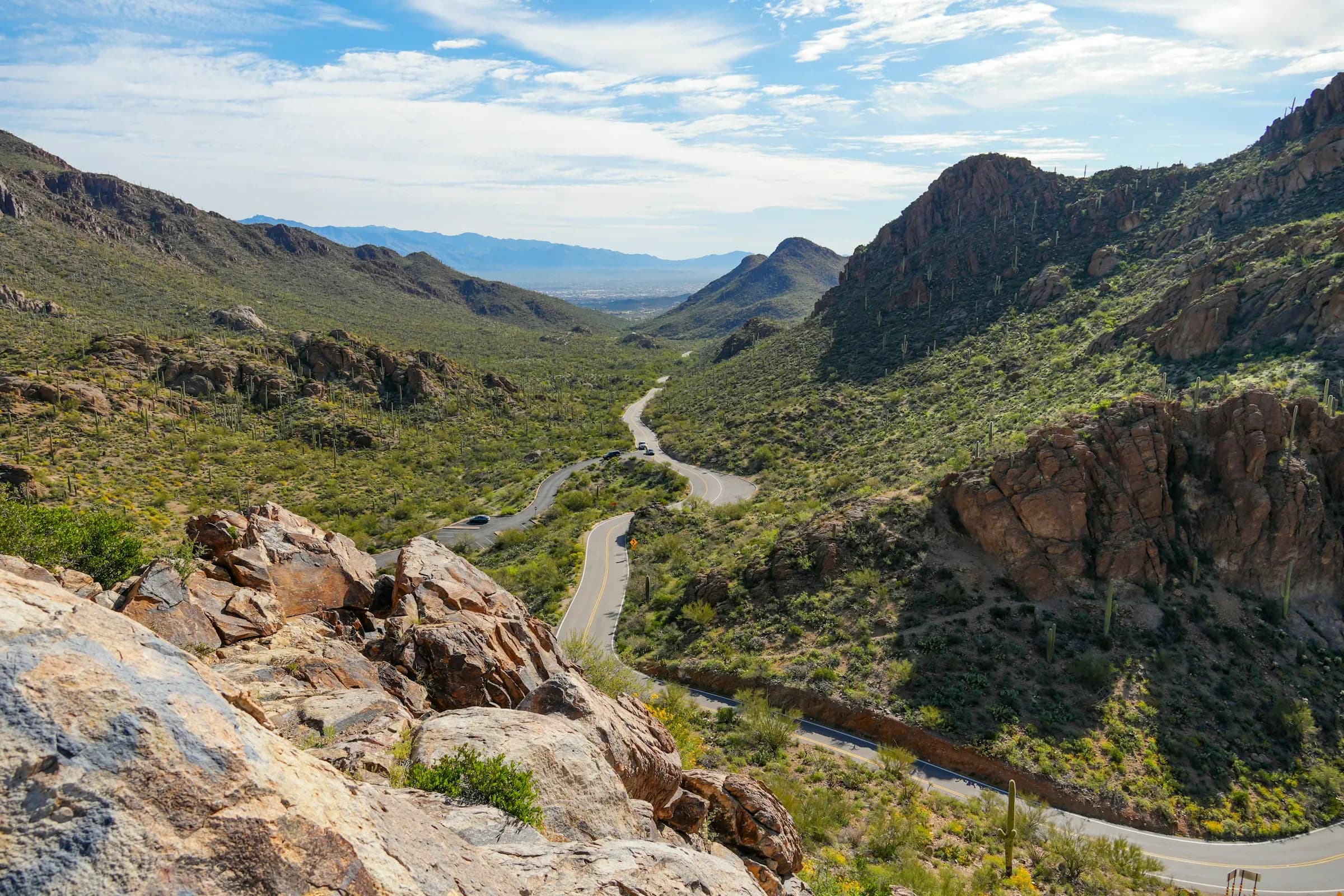
Some routes are rolling. Some, like a run up Mount Lemmon out of Tucson, are long sustained climbs. Match your training to the terrain you are heading into. If your tour has real elevation, seek out hills at home and practice riding them at a steady, sustainable effort rather than attacking them. Learn your climbing gears and get comfortable spinning a low gear for a long time. If you live somewhere flat, longer rides and time in the saddle still build most of what you need, and a few sessions of sustained hard efforts will help.
Dial in comfort, not just fitness
Aches end more tours than a lack of fitness does. Use your training rides to sort out the parts that touch the bike. Get your saddle right and ride enough that your body is used to the time seated. Wear the shorts you will actually wear on the trip. Figure out your gloves, your shoes, and your on-bike position on long days before the trip, not during it. If something bothers you at hour three of a training ride, it will bother you far more on day four of a tour.
Practice eating and drinking on the bike
On consecutive riding days, fueling is not optional. The riders who fade are almost always the ones who under-ate and under-drank earlier in the day. Practice eating real food on your training rides, drinking on a schedule, and refueling well after you finish so you start the next day topped up. On a supported trip the food and water logistics are handled for you, but your stomach still has to be trained to take on fuel while pedaling. Sort that out at home.
Taper into the trip
In the final week before your tour, back off. Keep riding, but shorten things and keep the intensity easy. You do not gain fitness in the last week, but you can absolutely arrive tired if you cram. Show up rested and slightly hungry to ride. That is the goal.
A simple way to think about the build
Start with consistent riding. Grow your longest ride until a tour day is routine. Add a back-to-back weekend, then a longer back-to-back block. Sprinkle in the specific terrain your trip throws at you. Taper. If you can ride two or three days in a row, at your tour's daily distance, at a pace where you can hold a conversation, you are ready and you will enjoy the week rather than survive it.
That is really the whole point of getting fit for a tour. Not to grind through it, but to look up and enjoy where you are. If you want to see the kind of terrain and daily distances we build our trips around, take a look at our Texas Hill Country trip and read the rest of our tour guides. Come in with a few honest back-to-back rides in your legs and the road takes care of the rest.